
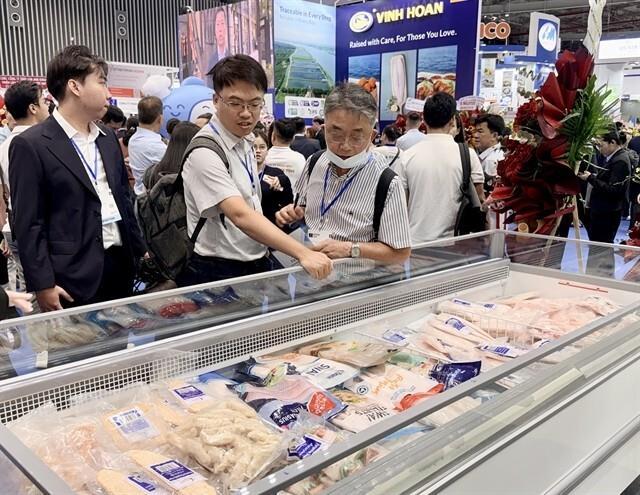
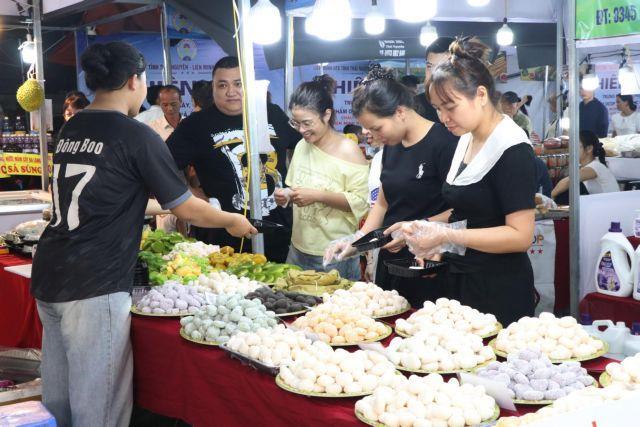
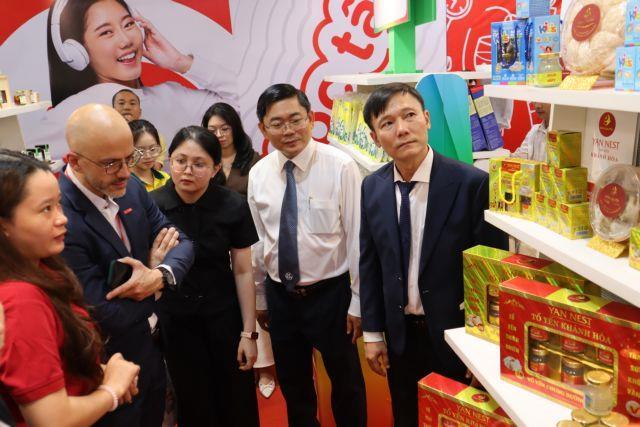
The fifth International Exhibition of Chinese Products, Equipment, Tools, Technology, and Services for Family Life in Việt Nam opened at the Saigon Exhibition and Convention Center on May 12, positioning itself as a strategic platform for strengthening business partnerships between...
The flight, carrying 98 tonnes of farm produce supplied by MAY Exports Vietnam, departed from Tân Sơn Nhất International Airport on May 10, underscoring rising demand for Vietnamese goods in both the UAE as well as the Middle East market.
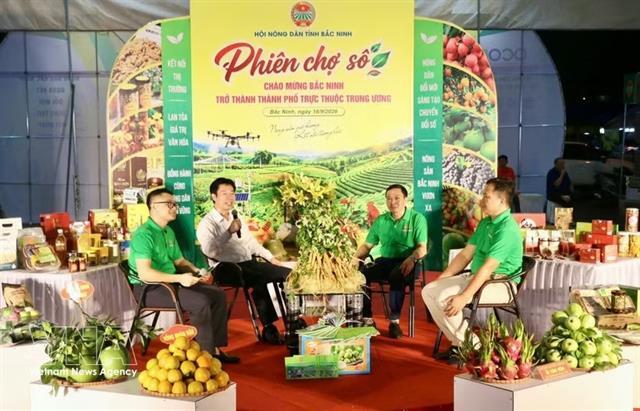
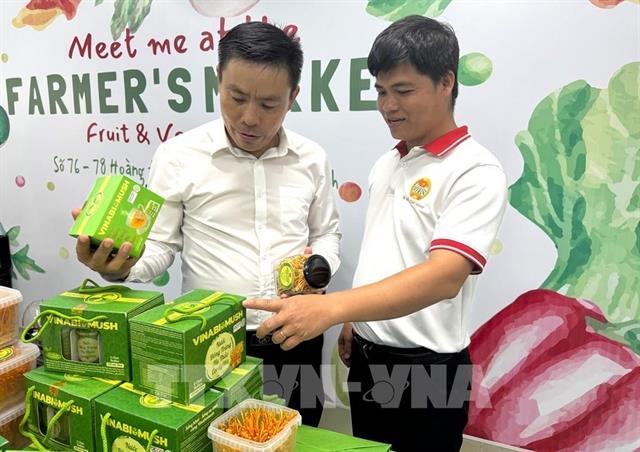
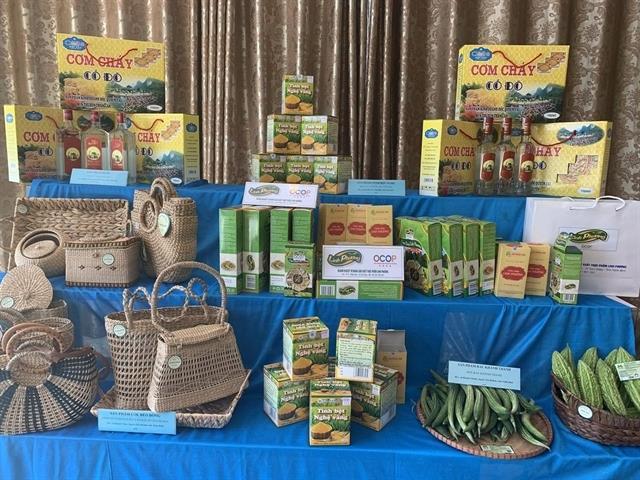
There were 18,243 OCOP products rated three stars or higher nationwide. Despite thousands of products meeting OCOP standards, getting them into retail systems is not easy.
DKSH has entered into a strategic partnership with STADA Pymepharco, a sole member of STADA Group, a Germany‑based global healthcare company, to expand access to high-quality healthcare products in Việt Nam.
Việt Nam’s pet market is entering a period of rapid expansion, driven by rising pet ownership and shifting consumer attitudes, creating significant opportunities for businesses across the supply chain.
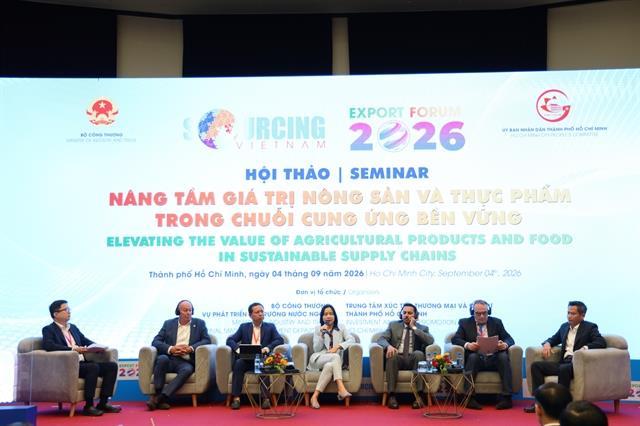
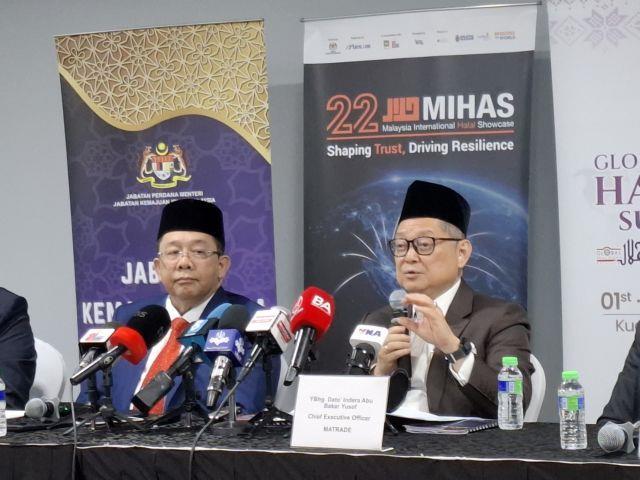
Amid the growing influence of green consumption trends and halal standards on global trade, Malaysia is emerging as a key strategic partner and gateway for Vietnamese goods to access the global Muslim market, a seminar heard in HCM City on...
Ministries and local authorities have begun rolling out action plans and innovation roadmaps through 2030 and 2035, while funding for science and technology has increased to tens of trillions of đồng.
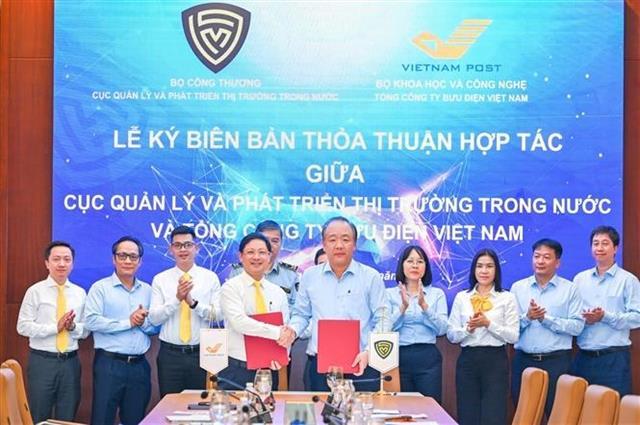
Both sides will implement synchronised solutions to support bringing OCOP products and local specialties onto the e-commerce platform nongsan.buudien.vn and other digital distribution channels.
The law is expected to support the growth of key industries in line with advances in science, technology and innovation, with the aim of building an independent, self-reliant industrial base.
The Ministry of Industry and Trade is stepping up promotion of Vietnamese rice to expand markets, while closely tracking supply–demand trends, prices, and import policies in key destinations.
Việt Nam’s cold storage system is unevenly distributed, with facilities densely concentrated in some areas while remaining scarce in key raw material regions.